Health Benefits of Massage: What the Evidence Says
Massage has been used for thousands of years. Here is what it can genuinely help with, where the claims go too far, and when to check with a doctor first.
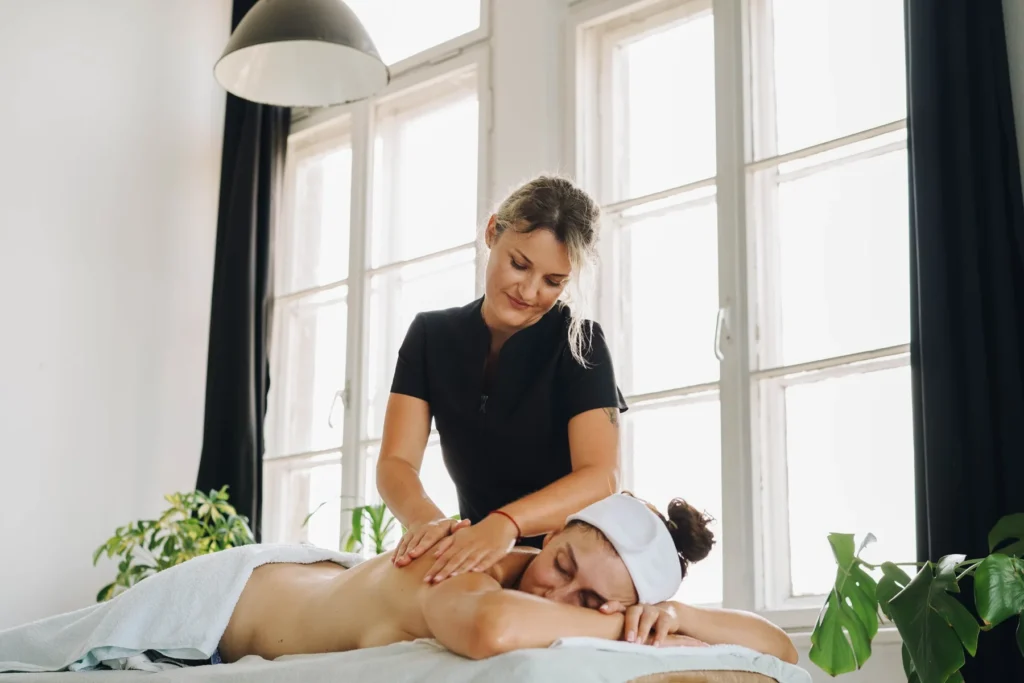
The health benefits of massage may include relaxation and short-term pain relief for some people, but the evidence varies by condition. Feeling better after a session is not the same as treating the cause of pain or curing an illness.
Massage is a complementary therapy. It may sit alongside medical care, but should not delay assessment or replace treatment. The US National Center for Complementary and Integrative Health (NCCIH) describes limited evidence for several uses and advises against postponing healthcare to try massage.
This guide reports selected public evidence and NHS signposting. It is not a systematic review and does not assess whether massage is suitable for you.
What benefits can massage realistically offer?
Low-back pain: possible short-term relief
Some studies suggest massage can help with non-specific low-back pain, meaning pain not attributed to a specific underlying condition. However, confidence in the findings is limited.
A 2015 Cochrane review, with searches to August 2014, found short-term improvements in pain and function compared with inactive controls, such as no treatment, for people with subacute or chronic low-back pain. These improvements were not maintained at longer follow-up against those controls.
Comparisons with active treatments gave a different picture: some pain outcomes favoured massage, but function did not clearly improve. The evidence was low or very low certainty, and most trials involved pain lasting at least four weeks. This is not a firm promise of lasting relief, or evidence that massage is best for every back problem.
For low-back pain with or without sciatica in people over 16, NICE recommendation 1.2.7 says to consider manual therapy, including massage, only as part of a treatment package that includes exercise. That is not an endorsement of massage as a standalone treatment.
Neck pain: a separate, uncertain picture
Back-pain findings should not be carried across to neck pain. A 2024 Cochrane review found that massage may make little or no difference to pain, disability or quality of life compared with a sham (dummy comparison) massage around 12 weeks after treatment for subacute or persistent neck pain. Its searches ran to October 2023.
The evidence was low certainty. Studies were often small, massage doses varied, and it was difficult to ensure people did not know which treatment they received. No studies addressed acute neck pain. The review does not mean nobody feels better, but it does not justify promising reliable or lasting improvement.
Relaxation is not anxiety-disorder treatment
A massage can be a relaxing or complementary way to pause, but that is not the same as treating an anxiety disorder.
If worry is hard to control and affects daily life, seek appropriate help rather than relying on massage. The NHS guidance on generalised anxiety disorder recommends seeing a GP if you think you may have it, and describes talking therapies and medicines among the main treatments.
Sleep: relaxation does not establish a treatment
Feeling relaxed or sleepy after massage is different from showing that it improves night-time sleep or treats chronic insomnia. The evidence checked for this guide does not establish a reliable, lasting sleep benefit, so massage should not be presented as an insomnia treatment.
The NHS insomnia guidance recommends seeing a GP if changing sleeping habits has not helped, sleeping problems have lasted for months, or insomnia makes daily life hard to cope with. A GP can investigate causes and may offer cognitive behavioural therapy. Massage is not a substitute for that assessment.
How strong is the evidence?
A useful question is not simply “did people improve?” but “did they improve more than people receiving another treatment, a sham treatment or no treatment?” The answer can change with the comparison and the outcome measured.
The back and neck reviews above also highlight small studies, possible bias and uncertainty. Pain relief, easier movement and quality of life are different outcomes. Improvement in one does not automatically establish improvement in the others.
A short-lived benefit may still matter to you. It should be described honestly, without turning a pleasant session into a promise of recovery. These findings do not establish a universal number or frequency of appointments, or a need for ongoing massage.
Claims to treat with caution
The sources checked here do not justify promises that massage detoxifies the body, provides meaningful immune protection or cures disease. A change in a physiological measurement is not, by itself, proof of a lasting health benefit.
Nor should unexplained swelling be used to choose a massage treatment. Suspected blood clots need medical assessment, not massage. See the NHS guidance on DVT.
When to get medical help instead
For symptoms and when to seek urgent or emergency help, follow the NHS guidance on DVT and the NHS guidance on back pain. Do not use this page as a symptom checklist or as assurance that massage is safe if listed symptoms are absent.
For urgent medical help that is not a life-threatening emergency, use NHS 111. Call 999 for a life-threatening emergency. If you are not sure whether you need 999, NHS 111 can help you decide.
Before you book
This guide does not assess whether massage is suitable for you. If you are unsure, speak to your healthcare team before booking. If you are pregnant, ask your midwife or GP.
NCCIH reports that serious harms from massage appear rare, but they have been reported. Tell your therapist about your health and any medicines, and do not delay medical care to try massage.
Choosing a practitioner
Start with your goal and comfort, not the strongest pressure available. Ask about training, relevant experience, insurance and a health consultation. Our guide to choosing a massage therapist offers practical checks; it is not a booking directory.
Agree the pressure and areas to be worked on, and speak up if anything hurts or feels uncomfortable. You can ask for an adjustment or stop the session.
This guide provides general information, not personal medical advice. Massage can complement care, but should not replace diagnosis or treatment. It is a research-based editorial article, not a clinician-reviewed personal assessment.
Sources checked: 7 November 2026 (editorial check, not medical review).