Sports Massage London: What It Is and Who It Helps
What is sports massage, and who is it for? What happens in a session, what the research says it can and can't do, and how to choose a qualified therapist.
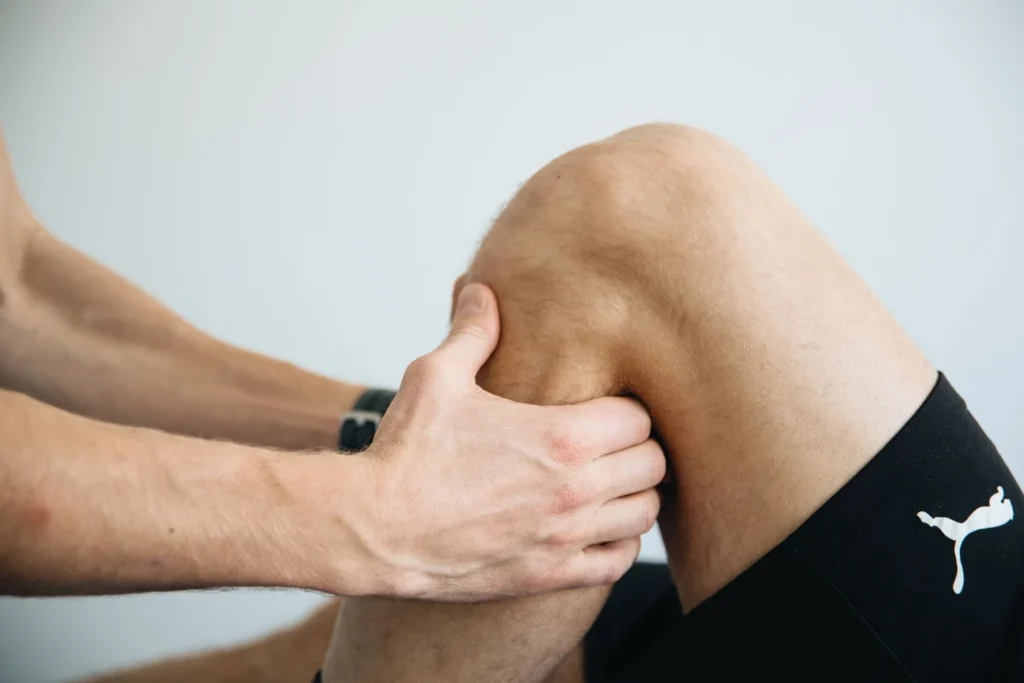
Sports massage is a firm, focused massage aimed at the muscles you use most, whether that’s in a sport, at the gym or at work. You don’t need to be an athlete to book one. Runners, cyclists, gym-goers, people who lift and carry all day and people with desk-bound shoulders all use it. This guide is mainly for clients who want to know what happens in a session, what sports massage can and can’t do, and how to choose a therapist.
What sports massage is
A sports massage therapist combines firm massage strokes with techniques such as stretching and slow pressure on specific tight spots. The session is built around you. A runner training for the London Marathon might have most of the hour on calves, hamstrings and hips. A swimmer or climber might need more work through the shoulders and upper back.
There is a lot of overlap with deep tissue massage. The main difference is that sports massage usually includes more questions about how you train, a look at how you move, and more stretching.
What to expect in a session
Your therapist starts by asking about your health, any medication, past injuries and what you do for exercise. Be honest, as some answers change how they work.
- Clothing: you usually undress to your underwear and stay covered with towels. Shorts are handy if the therapist plans stretches.
- Pressure: expect firm pressure that can feel uncomfortable on tight areas, but it should never be sharp or make you hold your breath. Tell your therapist straight away if it does.
- Length: sessions run from 30 to 90 minutes. A 30-minute session suits one area, such as the back or legs.
- Afterwards: you may feel a little sore for a day or two, much like after a hard workout. Take it easy on the worked areas if you’re sore.
What sports massage can and can’t do
The research supports some uses better than others.
A 2018 review of 99 studies of recovery methods found that massage was among the most effective for reducing muscle soreness and the feeling of fatigue after exercise. The authors point out that the studies looked at single sessions and couldn’t rule out a placebo effect.
A 2020 review in BMJ Open Sport & Exercise Medicine found no clear improvement in strength, sprinting, jumping or endurance after massage. It did find small improvements in flexibility and in soreness after exercise.
So many people find sports massage helps them feel less sore and move more freely. It is unlikely to make you faster on its own, and it doesn’t diagnose or treat injuries. Our guide to the health benefits of massage covers the wider evidence.
Who it suits, and when to check first
Sports massage suits most healthy adults who exercise regularly, are training for an event or carry tension from physical or desk work.
Check with your GP or physiotherapist before booking if you:
- have a recent injury that is still swollen, hot or bruised
- have had surgery recently
- have had a blood clot, or take blood-thinning medication
- have a bleeding disorder, osteoporosis or are having cancer treatment
- are pregnant (see our guide to pregnancy massage)
If you feel unwell or have a temperature, wait until you’re better. If an injury causes sudden severe pain or you can’t put weight on it, see your GP or call NHS 111 rather than booking a massage.
Choosing a sports massage therapist
Sports massage courses in the UK start at Level 3, with Levels 4 and 5 covering more assessment and injury work. Therapists registered with the Complementary and Natural Healthcare Council (CNHC) for sports massage have trained to at least Level 5 or an approved equivalent.
Ask about qualifications and insurance before you book. Our page on how to choose a qualified therapist lists what to check. For what you can expect to pay, see our guide to massage prices in London.
Common questions
Does sports massage hurt?
It can feel intense on tight muscles, but it shouldn’t be painful. A good therapist adjusts the pressure as you go.
How often should I have one?
There’s no fixed rule. Some people book monthly, others more often during heavy training. Your therapist can suggest a pattern that fits your training.
Should I have a sports massage before a race?
If you do, keep it light and book it a few days before. Race week isn’t the time to try deep work for the first time.
Is sports massage the same as physiotherapy?
No. Physiotherapists are registered health professionals who diagnose and treat injuries. A sports massage therapist doesn’t diagnose, and should refer you on if something needs medical attention.
Therapists talk about sports massage training, techniques and courses in the techniques and CPD forum. For more treatments explained in plain English, browse our massage guides.