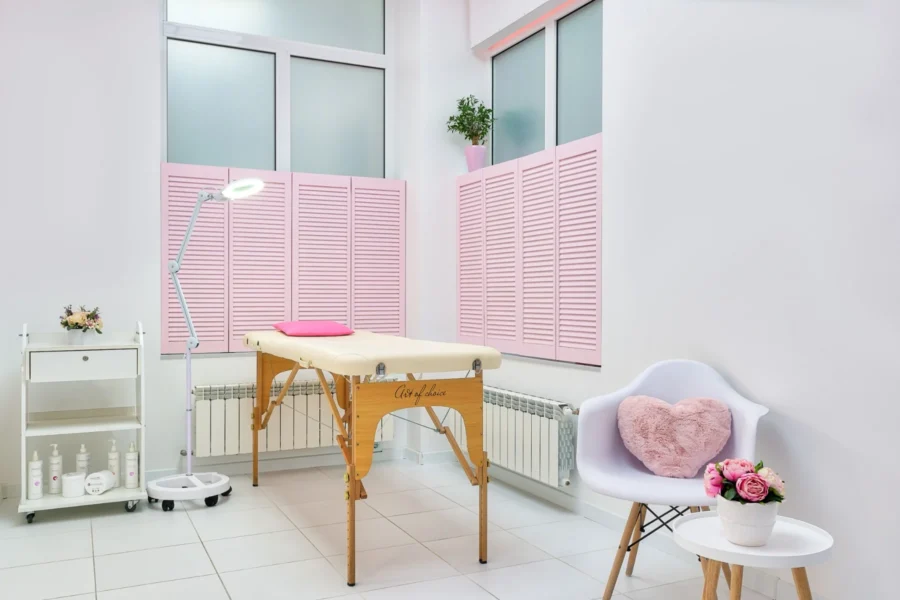
Massage Room Rental London: Costs, Contracts and What to Check
What does a massage room rental in London cost? Typical hourly, daily and monthly rates; what is usually included; and what to check before you sign.

Massage room rental in London usually costs somewhere between £10 and £35 an hour, with cheaper rates if you book a regular block and higher ones for central rooms with a shower, towels and a reception desk. This guide is mainly for therapists. It covers what you can expect to pay, what is and isn’t included, and the questions to ask before you commit to a room.
Prices below come from London room listings we looked at in late 2026. They move quickly, so treat them as a guide rather than a quote.
What massage room rental in London costs
Most centres price in one of four ways:
- Ad hoc hourly: you book single hours when you need them. Expect roughly £15 to £30 an hour outside zone 1, and £25 to £40 or more in areas like Marylebone or Shoreditch.
- Sessional or block bookings: you commit to the same four or five hours each week. Rates can fall to around £8 to £12 an hour. One Hackney centre, for example, advertises block bookings from under £10 an hour against £15.50 for ad hoc hours.
- Daily hire: often £60 to £150 a day, depending on the area and facilities.
- Monthly: a few hundred pounds for regular part-week use, and much more for a room that is yours full time.
Some centres mix these. One Canary Wharf room, for instance, charges £18 an hour ad hoc but with a minimum monthly fee covering ten hours, payable whether you use them or not. Read the small print on minimums before you compare headline rates.
Once you know what a room will cost, see what you need to charge with our free massage price calculator.
Hourly, sessional or monthly: which suits you
Hourly rooms suit you when you’re building a client list, working in more than one area, or adding a few evening slots to a salaried job. You only pay for what you use, but popular times go quickly and you may not get the same room twice.
Sessional bookings suit you once you have regular clients. You get a fixed slot, a lower rate and something to put in your booking calendar months ahead. The catch is that you pay for the slot even in a quiet week.
A monthly or full-time room gives you a proper base. You can leave your couch, oils and towels set up and see clients whenever you like. It only makes sense when you’re busy enough to fill it, so work out how many treatments a week you need just to cover the rent. Our guide to massage prices in London walks through that sum.
What is usually included, and what isn’t
Never assume. Two rooms at the same price can come with very different extras. Ask about:
- Couch: hydraulic or electric couches save your back. Some rooms only have a portable one.
- Couch roll, towels and laundry: some centres supply all three, others expect you to bring your own.
- Oils: a few rooms don’t allow oil at all, which rules out most Swedish massage and deep tissue work.
- Floor space: if you offer Thai massage, you need room for a floor mat, not just a couch.
- Sink, shower and toilet: a sink in the room matters for hygiene between clients.
- Heating: clients get cold lying still, so check the room stays warm in winter.
- Reception and booking: some centres greet clients and take bookings for you; many have no reception at all.
- Storage, wifi, parking and step-free access.
Licence and insurance
In most London boroughs, premises offering massage need a special treatment licence from the council. In a shared clinic the centre usually holds it. Ask to see it and check that massage is listed. Our guide to the special treatment licence in London explains how the rules work.
The centre’s insurance covers the building, not your treatments. You need your own policy, and many centres will ask to see it before your first booking. See our guide to massage therapist insurance for the cover that matters.
The agreement you sign
Most room hire is done under a licence to occupy rather than a lease. A licence gives you permission to use the room at agreed times. It is cheaper and easier to end than a lease, but it gives you fewer rights, and the centre can often move you to another room.
If you’re offering a room of your own, the label on the document isn’t the whole story. If a therapist has their own locked room that nobody else uses, the law may treat it as a lease even if the paperwork calls it a licence. For anything long term, get the agreement checked.
Before you sign, look for:
- the notice period on both sides
- any minimum number of hours or months
- the cancellation rule, often 24 hours
- how and when the price can go up
- any deposit, and when you get it back
- whether you can put the address on your website and booking pages
Practical checks before you commit
Visit at the time you plan to work. A room that is quiet on a Tuesday morning may sit above a noisy gym on a Thursday evening. Listen for sound through the walls, because clients won’t relax if they can hear the next room’s conversation.
Think about how your clients will get there. A room near a busy station in Old Street works for lunchtime office workers; a room in a residential street in Crystal Palace may suit regulars who drive. Check the walk from the station after dark.
Think about your own safety too. If you work late evenings, find out whether anyone else is in the building and how the door entry works.
Finally, talk to the therapists already working there. They’ll tell you what the listing doesn’t.
Common questions
Is it cheaper to work from home?
Often, but a home treatment room in most boroughs needs its own special treatment licence, and you need to tell your home insurer. Add those costs before you compare.
Can I share a monthly room with another therapist?
Many centres allow it, and some room booking sites offer split monthly bookings for exactly this. Agree in writing who has which days and who pays if one of you leaves.
Do I need to pay VAT on room hire?
Some centres charge VAT on top of the rate. Check whether the price you’re quoted includes it.
Where can I find rooms?
Room listing websites, local clinics and gyms, and word of mouth. Rooms to let are also posted in our jobs and room rentals forum.
Rent and room terms are one of the things therapists ask about most. Share what you pay, where, and what’s included in the treatment rooms forum, and you’ll help other members judge whether a deal is fair. For more practical advice, browse our massage guides.