Lomi Lomi Massage: The Hawaiian Technique Explained
Long, flowing forearm strokes and a rhythmic, dance-like style. What Lomi Lomi massage involves, where it comes from and how it differs from Swedish massage.
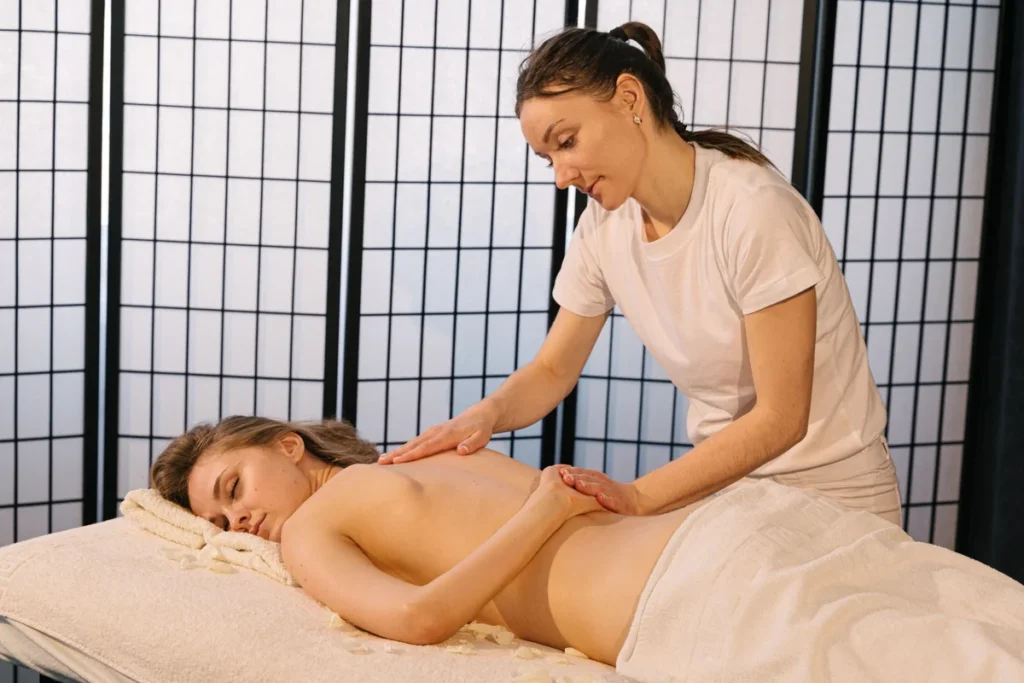
Lomi Lomi is a massage style that comes from Hawaii. Its most recognisable feature is the long, continuous strokes, often made with the forearms, that sweep across large areas of the body at once. The pace is rhythmic and flowing, and the therapist moves around the table almost as if dancing.
Where it comes from
Lomi means “to rub” or “to knead” in Hawaiian. Traditional Hawaiian healers used the practice alongside prayer, herbal remedies and family reconciliation practices (ho’oponopono), so it was understood as care for the whole person rather than only the muscles. Lomi Lomi as practised in spas today is a modern adaptation, and styles vary by teacher and lineage. Some therapists include breathwork or chanting; many keep the treatment purely physical.
What makes it different
- Forearm strokes. Broad, long strokes cover large areas, such as a single movement from the ankle to the shoulder.
- Continuous flow. The rhythm is rarely broken, which many people find helps them switch off.
- Generous oil. More oil is used than in most massages, so the strokes can glide.
- Different draping. Towels are arranged so the long strokes can travel further. Your therapist should explain this beforehand, keep you appropriately covered, and respect any preference you state.
Possible benefits
People usually choose Lomi Lomi for deep relaxation. Like other relaxing massage styles, it may ease muscle tension and help with stress and sleep in the short term. There is little research on Lomi Lomi specifically, so claims that it releases trauma or stored memories should be read as part of its philosophy rather than as proven effects.
Who should check first
The usual cautions for oil-based massage apply. Postpone if you have a fever, infection or acute inflammation, and get medical advice first if you have a history of blood clots, recent surgery, a heart condition, are having cancer treatment, or are pregnant. Lomi Lomi can be adapted with lighter or more focused pressure if you need it.
Finding a practitioner
Lomi Lomi training ranges from short weekend courses to longer programmes. If you are a therapist thinking of adding it to your treatments, the community forum is a good place to ask which London courses other therapists recommend, and whether clients actually book it.
Wondering why everyone’s talking about it? See our look at massage trends in London now.