Relaxing Massage: Benefits, Precautions and How It Differs
A gentle, unhurried massage aimed at calming the nervous system rather than fixing knots. How it compares with remedial work and what to expect.
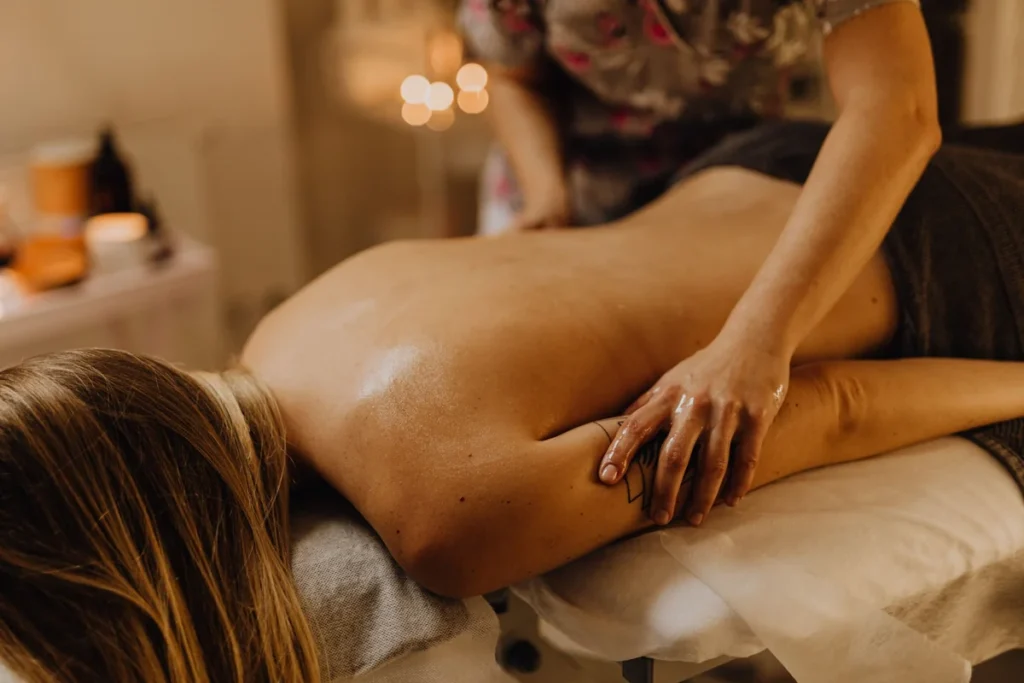
A relaxing massage does what its name says. It is a gentle, unhurried treatment with smooth, flowing strokes at a light to medium pressure, aimed at helping you unwind rather than working hard on specific knots. In practice it is usually a gentle form of Swedish massage, and many therapists list it as “relaxation” or “holistic” massage.
How it differs from remedial massage
If you have a particular problem, such as a stiff neck that will not loosen or tightness linked to an injury, a remedial, deep tissue or sports massage may suit you better. Those treatments start with an assessment and focus on the problem area, sometimes with firmer pressure. A relaxing massage puts less emphasis on fixing anything. The therapist works more slowly and evenly, and many people fall asleep.
Not sure which you need? Describe what you are hoping for when you book, and a good therapist will suggest the right treatment.
Benefits
Research suggests that massage can reduce feelings of stress and anxiety in the short term, and many people report better sleep and a lift in mood afterwards. It also gives you an hour away from screens and to-do lists, which is part of its value. These effects are real but temporary, so regular sessions tend to help more than an occasional one.
You may see claims that massage “lowers cortisol” or “boosts immunity”. Studies on these points have produced mixed results, so treat them with caution.
Who it suits
- anyone feeling run down, stressed or tense after a busy week
- people new to massage who are unsure about firm pressure
- those who find deeper treatments uncomfortable
- gift bookings, where you do not know the recipient’s preferences
Precautions
Relaxing massage is gentle and generally safe for most people, but it is still a physical treatment. Postpone if you have a fever, infection, sickness or diarrhoea. Get medical advice first if you have a history of blood clots, a heart or kidney condition, are having cancer treatment, or have had recent surgery. Always tell your therapist about any health conditions and medication before the treatment starts, even if they seem unrelated.
Making the most of it
- Eat lightly beforehand and avoid alcohol.
- Leave yourself time afterwards rather than rushing straight back to work.
- Say if anything would make you more comfortable: warmth, quiet, less or more pressure.