Swedish Massage: What It Is, What to Expect and Who It Suits
The classic full-body massage explained: the five core strokes, how a session runs, what it can help with and when to check with a GP first.
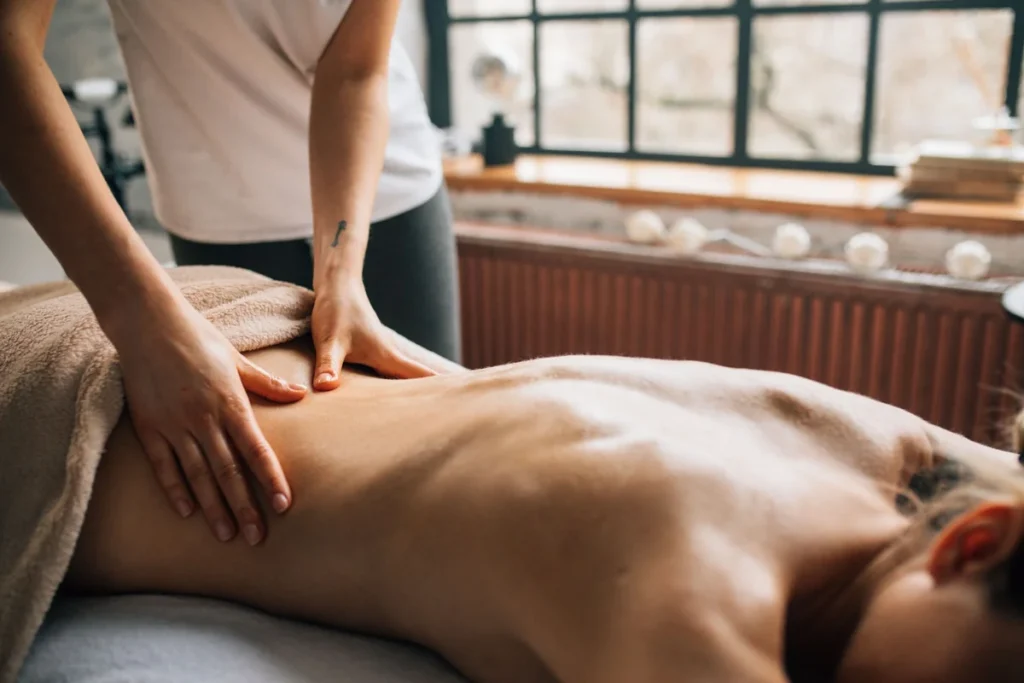
Swedish massage is the style most people picture when they think of a massage: long, flowing strokes over the whole body, using oil, at a pressure set by the client. It is the foundation of most Western massage training in the UK, and many other techniques, including sports and deep tissue massage, build on its strokes.
The core strokes
A Swedish massage is built from a small set of movements that the therapist combines and adapts as they work:
- Effleurage: long, gliding strokes that warm the tissue and spread the oil.
- Petrissage: kneading, lifting and rolling the muscle.
- Friction: small, deeper circular movements over a specific area.
- Tapotement: light rhythmic tapping or cupping, used briefly.
- Vibration: a fine shaking movement to help a muscle let go.
Pressure ranges from light to firm. A good therapist checks in during the session and adjusts, so it should never feel like something to endure.
What happens in a session
Sessions usually last 60 or 90 minutes. Before starting, the therapist asks about your health, any injuries or medication, and what you would like from the treatment. You undress to your comfort level; underwear stays on, and you are covered with towels throughout, with only the area being worked on uncovered. Most treatments begin face down on the back and legs, then move to the front.
If anything is uncomfortable, from the pressure to the room temperature, say so. Changing the treatment is part of the job, and therapists would much rather be told.
What it can help with
Most people book Swedish massage to relax and to ease general muscle tension, and research generally supports massage for short-term relief from stress and from everyday aches such as lower back and neck pain. Many people also report sleeping better afterwards. The effects tend to be temporary, which is why people with persistent tension often book regularly.
If you love the long strokes of Swedish massage, hot stone massage adds heated stones to the same style.
Massage is a complementary therapy. It can sit alongside medical care, but it does not replace diagnosis or treatment from a GP or physiotherapist.
When to check first
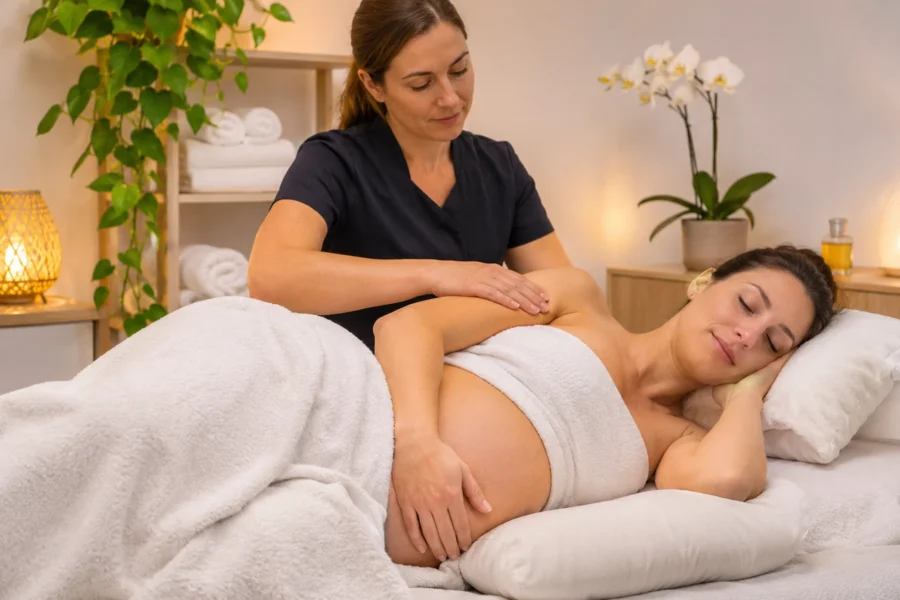
Tell your therapist about any health conditions before the session. Massage is usually postponed if you have a fever or infection, and you should get medical advice first if you have, or have recently had, a blood clot, a recent operation, a heart condition, cancer treatment, or are in the first trimester of pregnancy. Qualified therapists are trained to adapt or decline a treatment when it is not appropriate.
Before and after
- Avoid a heavy meal or alcohol in the couple of hours beforehand.
- Arrive a few minutes early so you are not rushed.
- Drinking water afterwards is sensible, though the popular idea that it “flushes toxins” released by massage is not supported by evidence.
- Mild tenderness the next day can happen after firmer pressure and usually passes quickly.
For therapists
Swedish massage is often the treatment new clients book first, which makes it a good place to build a regular client base. If you have questions about pricing, session length or consultation forms, ask other London therapists in the community forum.