How to Get Massage Clients in London Without Paying for Ads
How to get massage clients in London without paid ads: Google Business Profile, rebooking, referrals, local businesses and honest reviews that work.
Most therapists who get massage clients in London steadily don’t rely on paid ads. They rely on being easy to find on Google, rebooking the clients they already have, and being recommended by people and businesses nearby. This guide is mainly for therapists, and walks through the free and low-cost ways that work, starting with the ones that bring the quickest results.
Start with the clients you already have
The cheapest new booking is the next one from an existing client.
- Rebook before they leave. End each session by suggesting when to come back, based on what you found, and offer to book it there and then.
- Follow up once. A short message a day or two later asking how they feel is good care, and reminds them you exist.
- Make packages easy. Regular clients often prefer to buy a block of sessions. Our guide to massage prices in London covers how to price them.
A clear booking and cancellation policy and an aftercare sheet help clients trust you and come back. Both are in our free templates for members.
A therapist with 30 regulars who come back every month has a very different business from one chasing 30 new clients.
Set up your Google Business Profile
When someone searches for “sports massage Clapham” or “massage near me”, Google’s map results come first. A free Google Business Profile puts you there.
Google’s rules matter here:
- You must see clients face to face, either at your premises or by travelling to them.
- If you work from home or travel to clients, you can set your profile as a service-area business and hide your home address.
- Virtual offices and PO boxes aren’t allowed as addresses.
Fill in every section: treatments, prices, opening hours and clear photos of your room (never of clients without their written permission). Post an update now and then, and reply to every review.
Ask for reviews, honestly
Reviews help people choose you, and the rules on them changed in 2025. Since 6 April 2025, UK law bans fake reviews, hiding negative reviews and offering rewards for reviews without clearly saying so.
So keep it simple. Ask happy clients for a review, send them the direct link, and leave it there. Never write reviews yourself, swap them with friends, or offer a discount for a five-star rating.
Turn regulars into referrals
Your clients know people with sore backs. Most will happily recommend you; they just need a reason to think of it.
- Mention, without pressure, that you’re taking new clients.
- Give regulars a couple of cards to pass on.
- If you offer a referral thank-you, such as a discount on their next session, keep it modest and the same for everyone.
Get massage clients through local businesses
Other local businesses see the people you want to treat.
- Gyms, running clubs and yoga studios have members who need recovery work. Offer a short talk or a taster session.
- Physiotherapists, osteopaths and chiropractors sometimes refer clients who need regular massage between appointments.
- Hairdressers, beauty salons and independent shops may display your cards or share each other’s offers.
- Local offices may book seated massage for wellbeing days.
Be clear and professional, and only refer clients to people you trust.
Make yourself easy to book
People often decide in a few minutes. Make that easy:
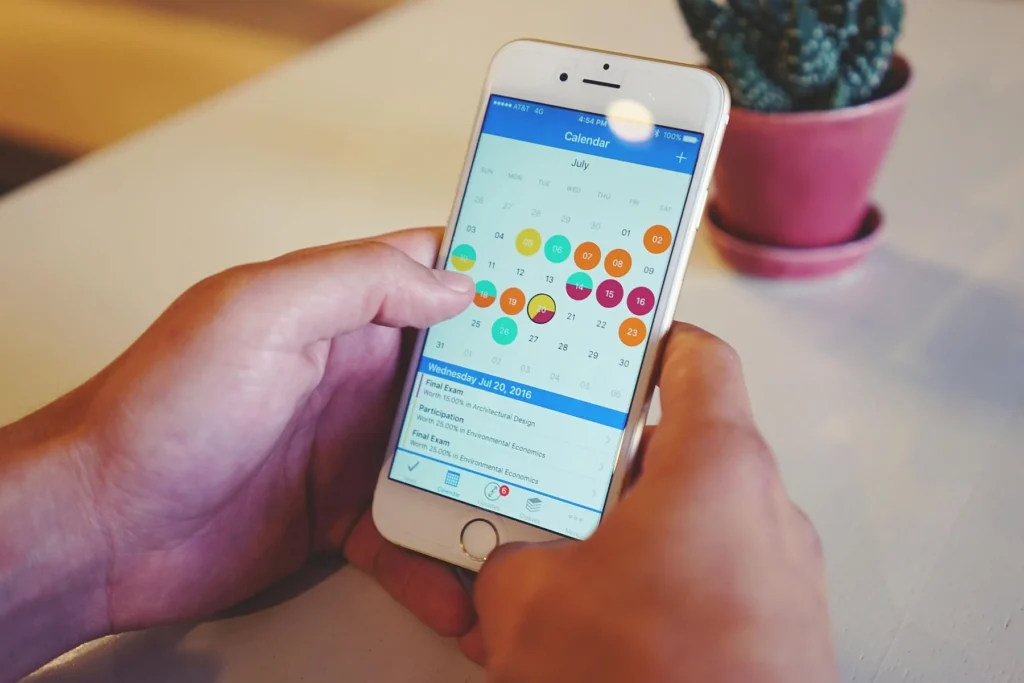
- A simple website or booking page with your treatments, prices, location and online booking.
- A clear description of who you help, such as “sports massage for runners in south-west London”.
- Plain explanations of each treatment. Many clients don’t know the difference between Swedish massage and deep tissue massage, so tell them.
- Quick replies to enquiries. A booking request answered the next day may already have gone elsewhere.
Social media can help, but only if you keep it up. Short, useful posts, such as a stretch for desk workers or what happens in a first session, tend to do better than adverts.
Finally, ask every new client how they found you, and keep a simple note. After three months you’ll know where your bookings come from, and where to put your time.
Common questions
How long does it take to build a client list?
It varies, but many therapists find it takes months rather than weeks. Steady rebooking and referrals usually matter more than any single marketing idea.
Can I list my home address on Google?
You can, but you don’t have to. If you’d rather keep it private, set up as a service-area business and hide the address.
Should I use booking apps?
They can fill gaps while you build up, but they take a share of each booking and the platform, not you, controls the relationship with the client. Many therapists use them alongside their own bookings, not instead.
Do I need a licence to see clients in my own home?
In most London boroughs, yes. Visiting clients in their homes usually doesn’t need one. See our guide to the special treatment licence in London.
What’s brought you the most clients? Share what’s worked, and what hasn’t, in the rates and getting clients forum. If you’re still training, our guide to becoming a massage therapist covers the early decisions, and you’ll find more in our massage guides.