What Is Shiatsu? What to Expect From a Shiatsu Treatment
A Japanese bodywork therapy using finger and palm pressure through clothing, usually on a floor mat. Its background, how a session runs and what the evidence suggests.
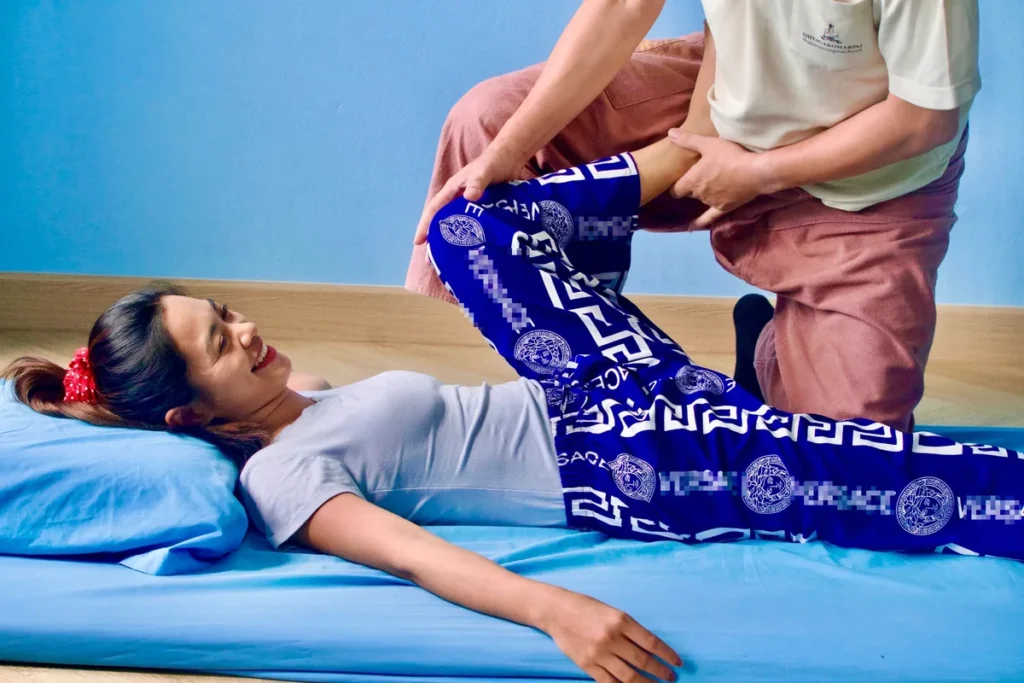
Shiatsu is a Japanese bodywork therapy. The name means “finger pressure”, and practitioners use their fingers, thumbs and palms, as well as elbows and knees, to apply pressure along the body. You stay fully clothed, no oil is used, and the treatment usually takes place on a padded futon on the floor, although some practitioners use a couch.
Background
Shiatsu draws on older Japanese and Chinese massage traditions and on the ideas of traditional East Asian medicine, including ki (energy) flowing along pathways called meridians. It was developed into its modern form in Japan in the twentieth century, where it is a recognised therapy. Today there are several styles, from approaches focused on the meridians to ones that look more like gentle stretching and mobilisation.
What a session feels like
Wear loose, comfortable clothes, ideally cotton, and avoid a heavy meal beforehand. A first treatment usually begins with a conversation about your health and what you are hoping for, and lasts around an hour.
The practitioner leans their body weight into steady pressure, holding points for a few seconds, and may include stretches, gentle rotations of the joints and rocking movements. Pressure can feel deep, and some points may be tender, but it should not hurt. Many people find it both relaxing and energising, and some notice they feel emotional or sleepy afterwards. That is a normal response to relaxation.
What it may help with
People often choose shiatsu for stress, tension and general wellbeing, and to help with aches in the back, neck and shoulders. Research on shiatsu is fairly limited, and the theory of meridians is not supported by scientific evidence. Some small studies and surveys suggest people feel more relaxed and experience less pain after treatment, but stronger claims, for example that shiatsu improves skin, treats migraine or cures digestive problems, have not been shown in good-quality trials.
Prefer to stay clothed? Indian head massage is another seated, fully clothed option.
Who should check first
Shiatsu is generally safe when given by a trained practitioner. Check with your doctor, and tell your practitioner, if you are pregnant, have osteoporosis, a blood clotting disorder or are on blood thinners, have had recent surgery or an injury, have a heart condition, or are having cancer treatment.
Finding a practitioner
Shiatsu is not regulated by law in the UK. Look for practitioners who have completed a recognised course and are members of a professional body such as the Shiatsu Society (UK), and ask about insurance.