Lymphatic Drainage Massage: What It Is and Who It’s For
A very light, rhythmic technique aimed at the lymphatic system. Where it has good evidence (lymphoedema), where claims go too far, and what a session involves.
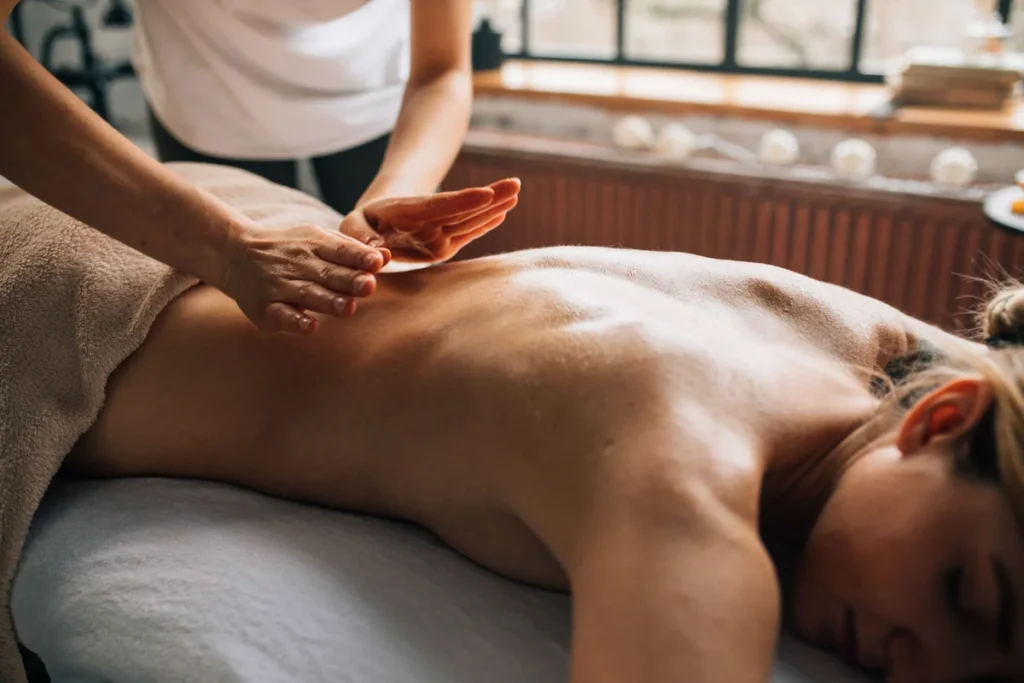
Lymphatic drainage massage, often called manual lymphatic drainage (MLD), is a very gentle technique designed to encourage the movement of lymph, the fluid that the lymphatic system collects from the body’s tissues. It feels nothing like a typical massage: the pressure is light, the strokes are slow and rhythmic, and the skin is stretched rather than the muscles being worked.
Where it comes from
MLD was developed in the 1930s by Danish practitioners Emil and Estrid Vodder, and the Vodder method is still one of the main schools taught today. Other recognised methods include Földi, Casley-Smith and Leduc.
Where the evidence is strongest
MLD is an established part of treating lymphoedema, a long-term swelling that can happen when the lymphatic system is damaged, for example after some cancer treatments. In the UK it is typically used as one part of a combined approach that also includes compression garments, skin care and exercise, under the guidance of a specialist lymphoedema service. Treating lymphoedema is specialist work, and it should only be done by a therapist with specific MLD training, working alongside the client’s medical team.
Other uses
Outside clinical settings, lymphatic drainage is popular for:
- feelings of puffiness or “heavy legs”, for example after long periods of sitting or flying
- swelling after some cosmetic procedures, where a surgeon recommends it
- relaxation; many people find the slow rhythm very calming
Popular claims that lymphatic massage detoxes the body, reduces cellulite, clears acne or treats high blood pressure are not backed by good evidence. A trustworthy therapist will not promise these results.
What a session involves
Sessions usually last 45 to 60 minutes. Treatment often starts at the neck and works through the body in a set order, using light, repetitive movements. No oil or very little is used, as the hands need to move the skin rather than glide over it. Many people find it very relaxing, and needing the loo afterwards is common.
When not to have it
Do not book lymphatic drainage, and speak to a doctor, if you have an active infection or cellulitis, a suspected or known blood clot, heart failure or significant kidney problems, or untreated cancer. If you have swelling that has no clear cause, get it checked by a GP before booking any massage.
For therapists
Lymphatic drainage is in demand, but clinical claims carry real responsibility. If you are weighing up MLD training, or want to sense-check how you describe the treatment to clients, ask in the community forum.