Hot Stone Massage: How It Works and What to Expect
Hot stone massage explained: how the heated stones are used, what a session feels like, who should avoid it, and how a good therapist keeps you safe.
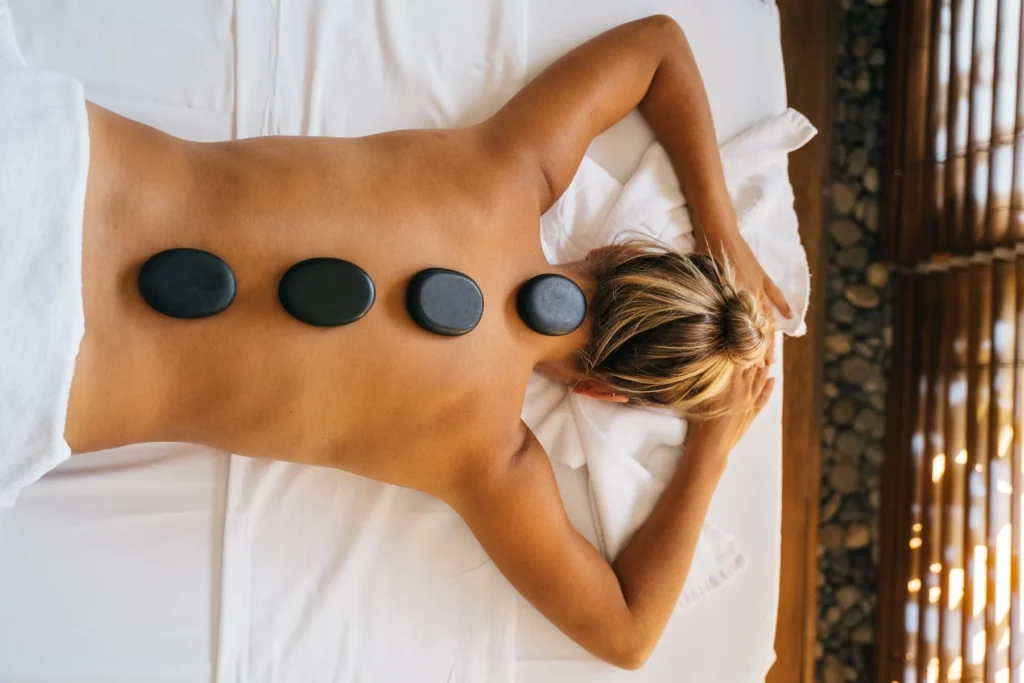
Hot stone massage combines a relaxing massage with smooth, heated stones. The therapist places warm stones on parts of your body and uses them in the massage strokes, so the heat helps tight muscles soften. This guide is mainly for clients. It explains how a session works, what it feels like, who should avoid it and what a careful therapist does to keep it safe.
How hot stone massage works
Most therapists use smooth basalt stones, a dark volcanic rock that holds heat well. The stones are heated in water in a special heater, which lets the therapist control the temperature closely. Some sessions add a few cool stones for contrast, often on the face.
The stones are used in two ways:
- Placed: warm stones rest on your back, in your palms or between your toes while the therapist works elsewhere.
- Used in strokes: the therapist holds a stone in each hand and uses it to glide over the muscles, much like the long strokes of a Swedish massage.
The massage itself is usually medium pressure. Heat lets the therapist get into tight areas without pressing as hard.
What a session feels like
A hot stone massage usually lasts 60 to 90 minutes. You undress to your underwear and lie under towels, as in most oil massages.
The stones should feel very warm, never painful. The therapist checks the temperature before each stone touches you, keeps the stones moving and asks how the heat feels. Tell them straight away if anything feels too hot. The heat can build up slowly, so don’t wait for it to become uncomfortable.
Most people find it deeply relaxing. Some feel a little sleepy or light-headed afterwards, so take your time getting up.
What hot stone massage can and can’t do
There is very little research on hot stone massage itself. Many people find the warmth soothing, and heat is a familiar way to ease muscle tension. Studies on massage in general suggest it can help short-term with relaxation and muscle aches.
There’s no good evidence for claims that the stones “balance energy” or detox the body, so treat those with caution. Think of hot stone massage as a relaxing treatment rather than a medical one. Our guide to the health benefits of massage covers what the wider evidence supports.
Who should avoid hot stone massage
Heat isn’t right for everyone. Skip hot stones, or check with your GP first, if you:
- have diabetes with reduced feeling in your skin, or any nerve condition that affects sensation
- have a heart condition, high blood pressure or circulation problems
- are pregnant (a gentle pregnancy massage without hot stones is a better choice)
- have varicose veins, broken skin, bruising, sunburn or a skin condition in the area
- have a recent injury that is still swollen or hot
- have a fever or feel unwell
Don’t have hot stone massage after drinking alcohol, as it dulls your sense of heat.
How a good therapist keeps you safe
Burns from hot stones are rare but they do happen, usually when stones are too hot, left in one place on bare skin or placed under the body. A careful therapist will:
- heat the stones in water with the temperature checked, not by guesswork
- test every stone on their own skin before using it on yours
- keep stones moving, and use a dry towel between still stones and your skin
- avoid putting stones under you, where the heat builds up
- check in with you throughout the session
If a therapist leaves a hot stone in one spot without checking, say so.
Common questions
Does hot stone massage hurt?
It shouldn’t. The stones should feel warm and comforting. If anything feels too hot, tell the therapist and they’ll cool the stone or move it.
Is hot stone massage more expensive?
Usually a little, because of the extra kit and setting-up time. See our guide to massage prices in London for typical prices.
Can I ask for deeper pressure?
Yes, within reason. If you mainly want firm work on tight muscles, a deep tissue massage may suit you better.
How often can I have one?
There’s no set rule. Many people book it as an occasional treat, while others have one every few weeks in winter.
Therapists swap tips on equipment, stone care and training in the techniques and CPD forum. For more treatments explained in plain English, browse our massage guides.